
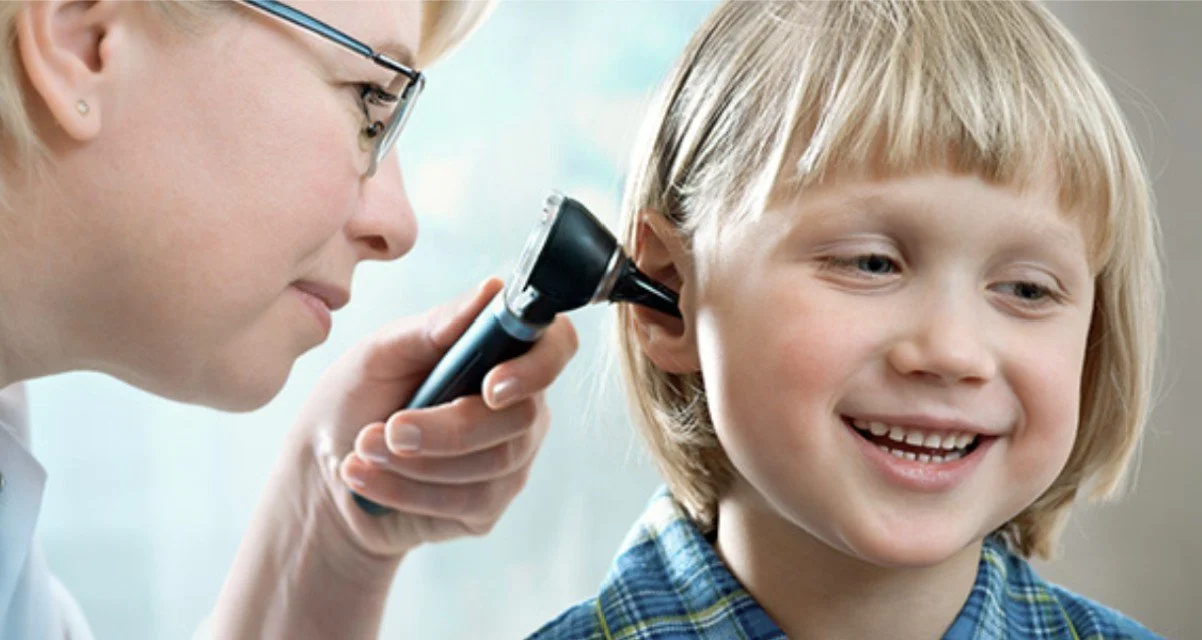
Personal Audio devices and
Hearing Loss
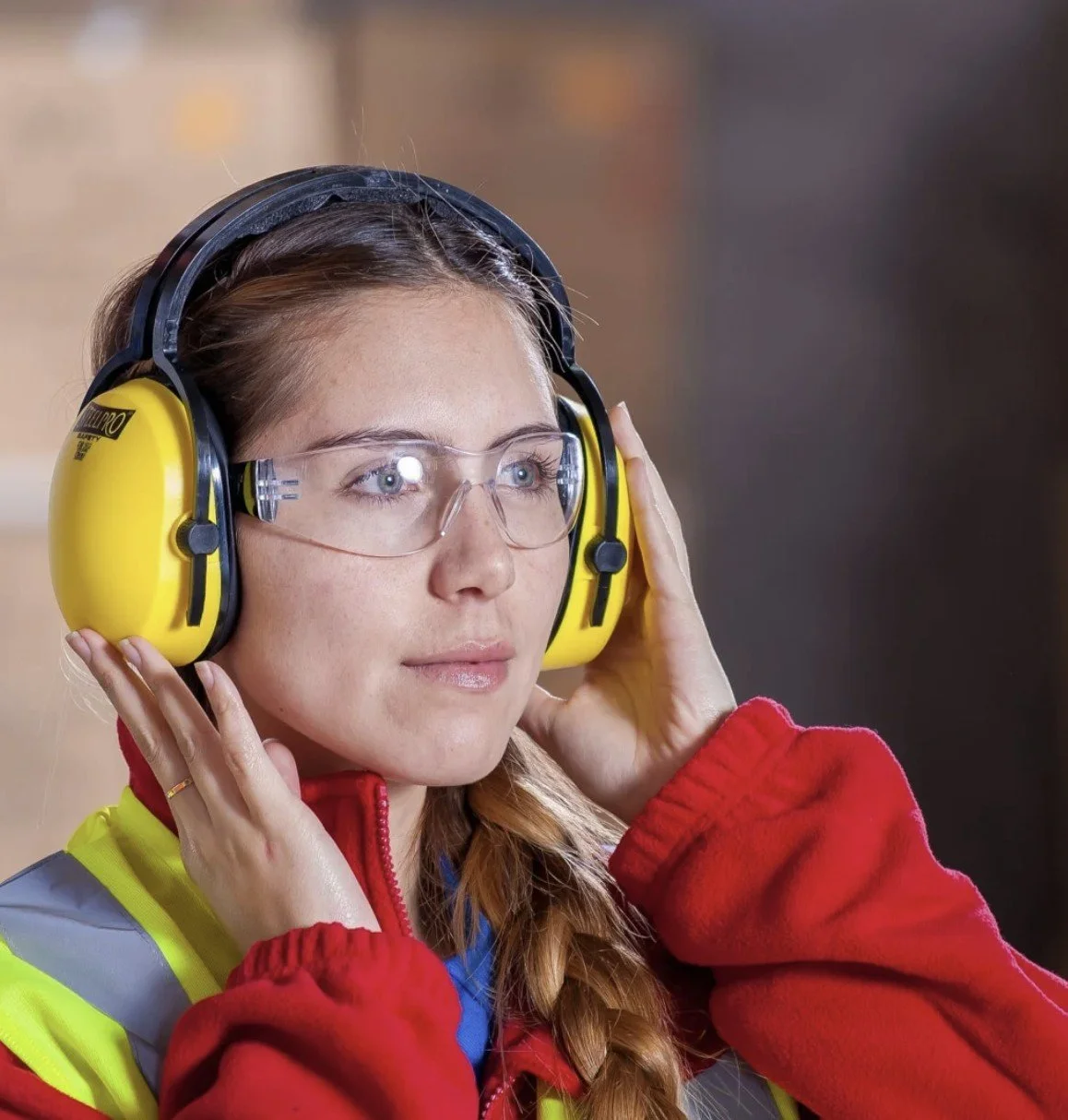
With high volume and long hours of listening, there is a real risk of permanent hearing damage.
Apart from the work-related noise exposure, non-occupational noise is becoming a threat to our society?Do you take care of your ears?One third of all types of hearing loss can be attributed to noise and music exposure.Your ear ages faster with noise and music exposure. Many are likely to lose their hearing in 30s instead of 60s.
The massive popularity of personal music means that many people are exposed to loud music for a prolonged period and the risk of developing hearing loss is on the increase.
A music library in the palm of your hand can thrill all of us, but it may be at a cost to your hearing.
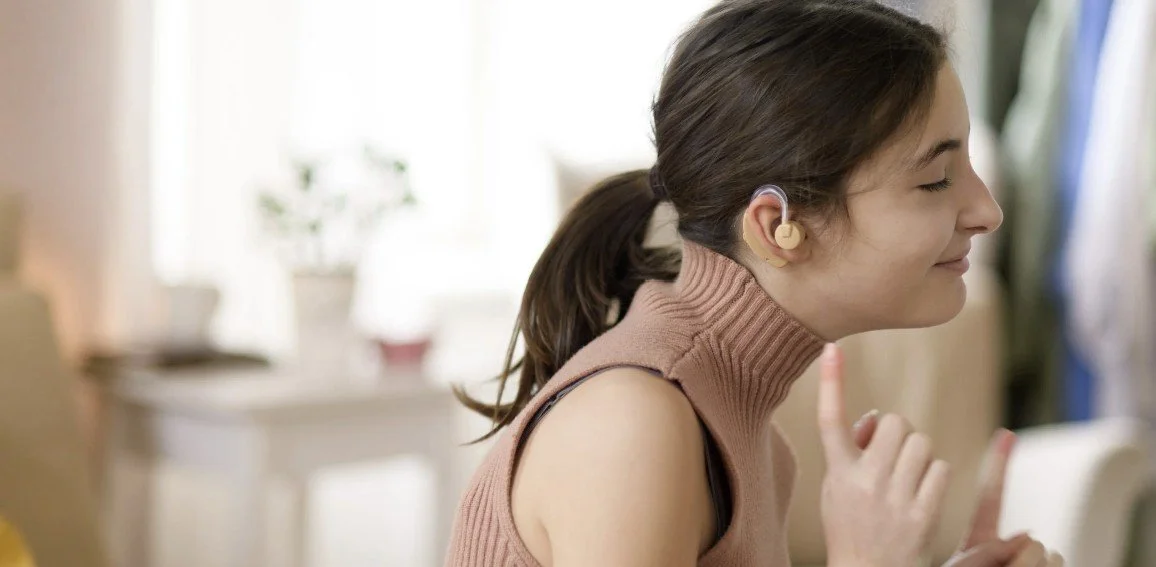
Who is at risk?
Each audio system varies in output (intensity and frequency) and apart from the music exposure, there are many factors that contributes to developing hearing loss, including individual susceptibility. However, these simple steps will help to protect yourself from permanent Music Induced Hearing Loss (MIHL).
You should be able to hear other people talk when using your personal stereo. If others must shout to be heard alone metres away, it means your volume setting is too loud.
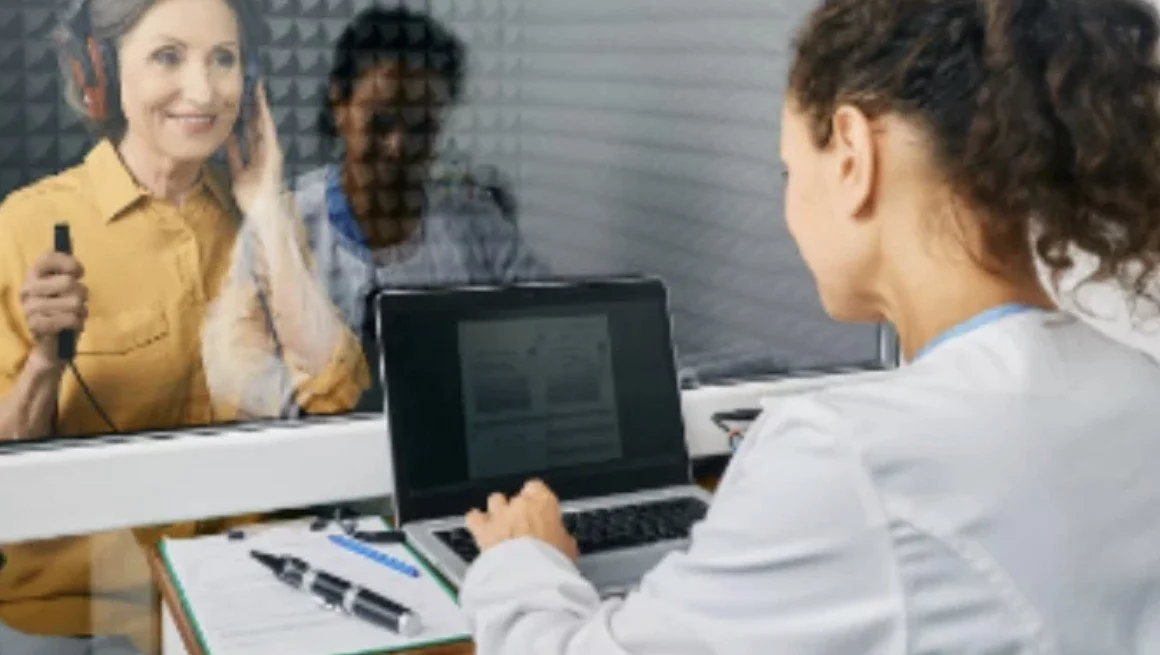
Get your hearing tested: If you notice any ringing in your ears or speech sounds muffled after wearing a personal stereo system, discontinue its use and have your hearing checked by a qualified Audiologist.
The Simple Rules to follow
Do not ‘block out’ noise: Do not turn the volume up in noisy situation.
Automatic volume limiter: Buy a system which limits the output to safe levels. Avoid using personal stereo while exercising or if your daily work already involves noise/ music exposure.
Do not interchange headsets with different systems: Varying systems can often increase output volumes.
Discontinue usage: If you experience,ringing sensation or speech sounds muffled, consult an Audiologist and get your hearing checked.