

Your Audiology and Tinnitus Specialist
We pride in providing independent, excellent hearing and Tinnitus Treatment.
Audiology & Tinnitus Specialist
Star Hearing Consultants-Audiology and Tinnitus Clinic is an Independent Audiology Practice is based in Canning Vale and few outreach clinics in rural settings.
Established to provide a world class and high standard, evidence-based care, and Client cantered service to the Western Australians.
We pride in providing independent, excellent hearing and Tinnitus Treatment.


Mission
Our mission is to provide high quality hearing and tinnitus services to you, and to all our clients.

Our Core Values
Our specialist audiologists perform their duties in accordance with the highest standards of ethics, accountability, honesty and efficiency.

Our Vision
Our vision is to provide the best of hearing health care for you, and to all our clients, now and into the future. We want to maintain our status as a valued independent professional practice in the medical and wider community.

Adult Diagnostic & Hearing Assessment
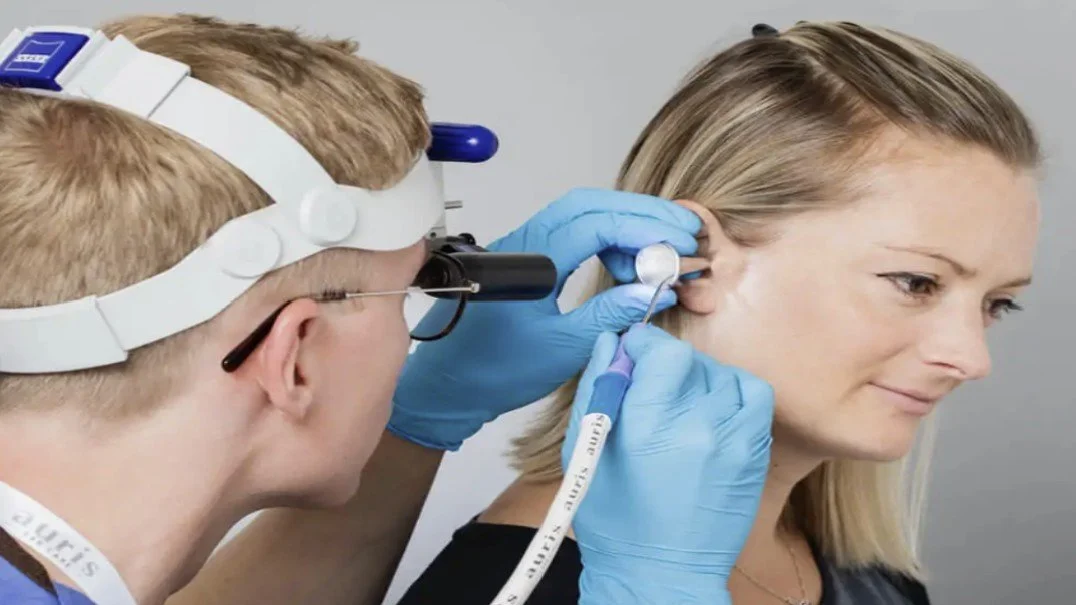
Wax Removal(Ear Curette/Micro-suction)

Advice on Hearing Hygeine/Prevention of hearing loss
Our Services
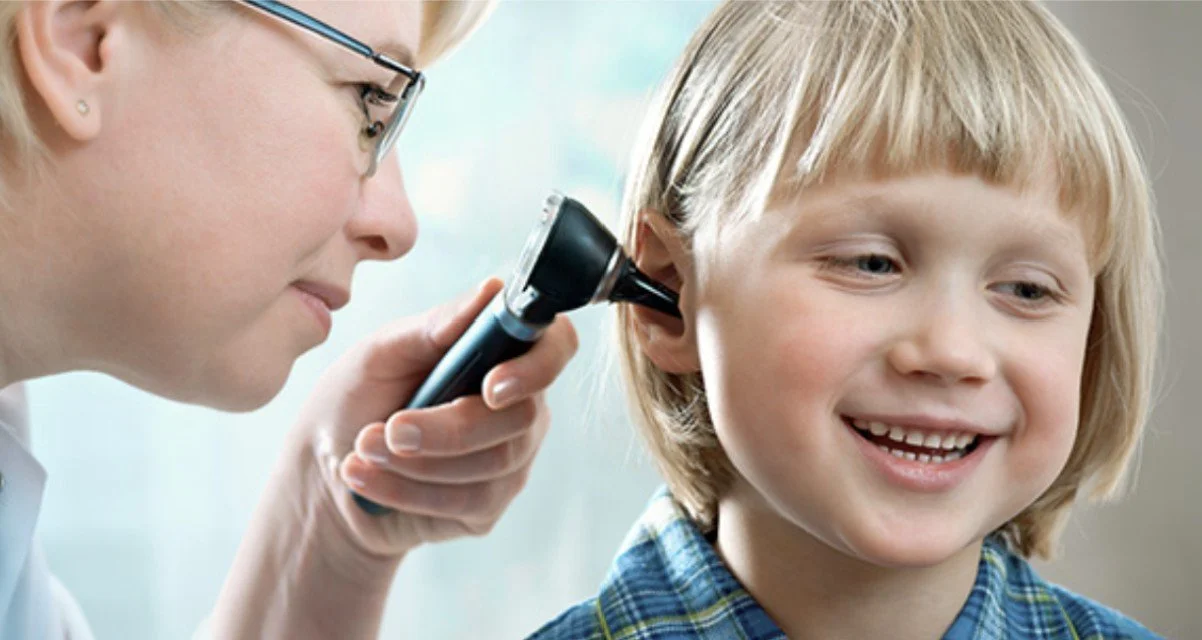
Child(children above 4 years) diagnostic Hearing Assessment
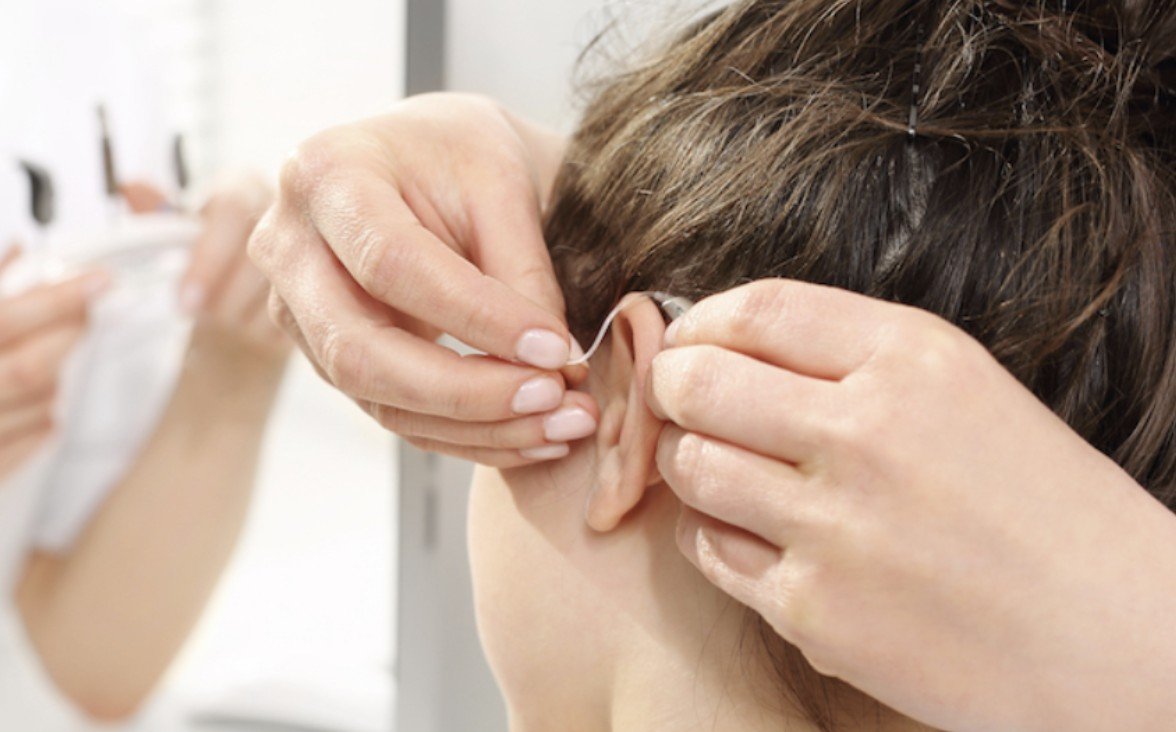
Hearing aid Fitting and Follow-up Services
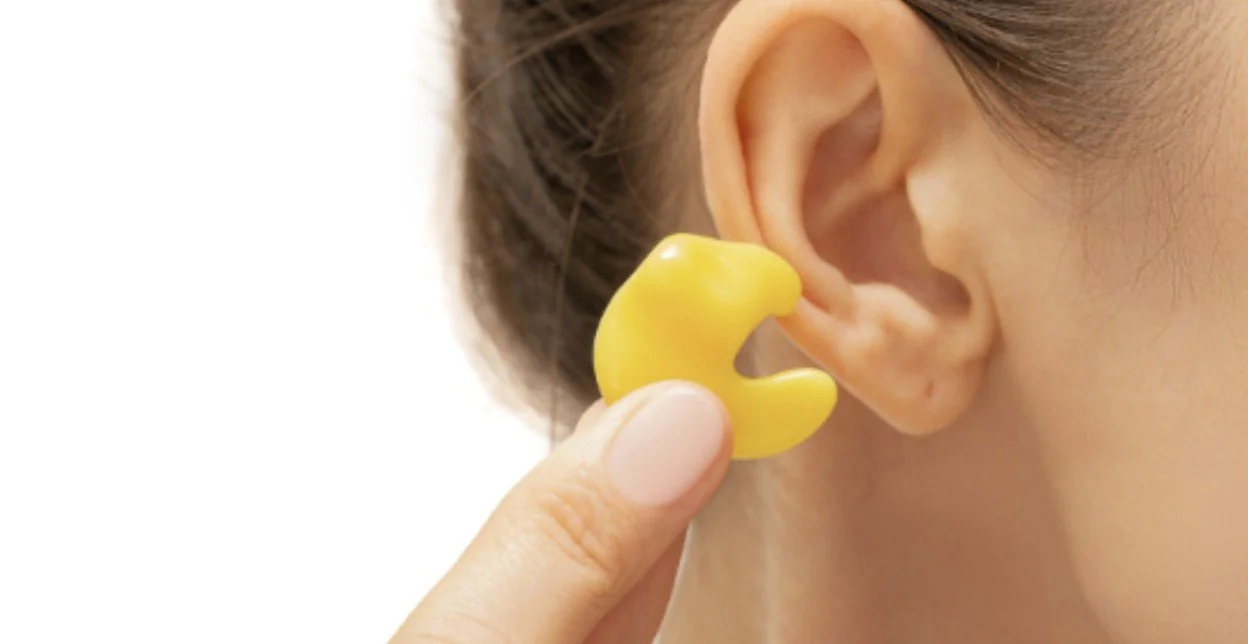
Custom made Noise /Musician plugs

Tinnitus(Ringing in the ears) Assessment and Treatment
Medical Audiology Services

Home Visits
Why choose us?
Star Hearing Consultants is an independent audiology practice with a dedicated team of hearing and tinnitus specialists. Hearing loss and tinnitus can impact people of all ages, from all walks of life. Our goal is to change the lives of people living with hearing loss and tinnitus.

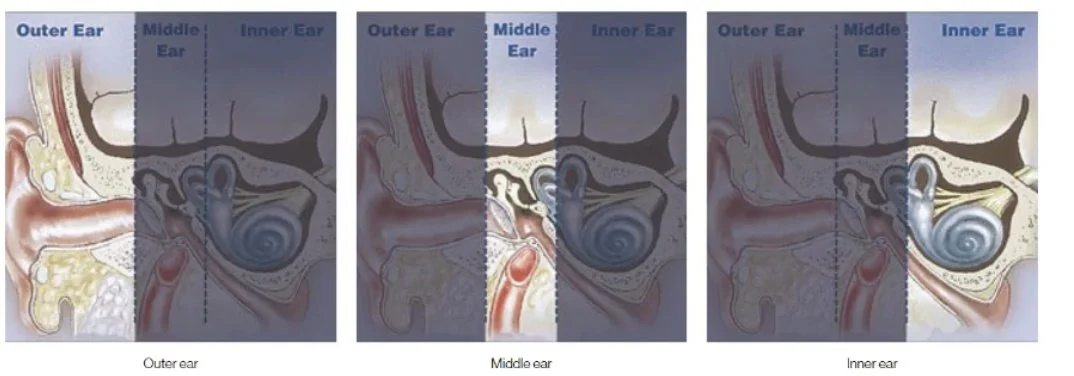
The ear is made up of three parts, each of which have special functions that allow us to hear. Understanding the parts of the ear and the role of each in processing sounds, can help you better understand hearing loss. catering
How does the ear work?
-
The outer ear comprises of the external pinna, concha bowl, lobe and other structures forming the ear canal. These structures work to capture sound and funnel it towards the eardrum.
The ear canal is protected by ear wax which forms a sticky barrier to prevent bacterial infection. Ear wax is naturally pushed from the eardrum out of the ear canal acting effectively as a self-cleaning mechanism. It is not recommended to interfere with this process as this can often damage the eardrum, ear canal or introduce infection. Ear wax can build up and occlude the ear canal blocking this sound transmission, and this can be professionally cleared by an Audiologist, trained nurse or ENT Specialist
The bony portion of the ear canal can also grow in reaction to cold water (called exostosis or swimmers ear) which can be surgically corrected or professionally cleaned to replace the natural migration of ear wax out of the ear canal.
-
The middle ear structures include the tympanic membrane (ear drum) and three small middle ear bones named the malleus, incus and stapes. In a healthy state the middle ear is air filled and pressurises through the Eustachian tube which opens and closes when we swallow to ventilate the space. The middle ear acts as an amplifier designed to collect and push sound into the inner ear.
Middle ear dysfunction can occur if the space fills with fluid (glue ear) or if the bone chain is disrupted preventing efficient sound transmission into the inner ear. This can give the sensation of a blocked feeling on the affected ear or an unnatural awareness of a person’s voice.
A person’s hearing ability can be partially or severely affected unless professional treatment is provided. Generally these issues can be overcome with intervention through medication (antibiotics or steroids), surgery (grommets) or amplification (bone vibration hearing aids) can be applied.
-
The inner ear is the sensory portion of the ear which converts the sound into a nerve impulse ultimately allowing us to hear sound vibrations transmitted by the previous two components.
The structures include the cochlea, responsible for sound detection and vestibular system, responsible for the detection of movement and balance in the head. These structures are fluid filled and are highly innovated allowing for detection of very subtle signals that are relayed to the brain. A normal heathy cochlea is arranged like a piano keyboard from bass to treble and can detect soft to very loud sounds across the frequencies.
Damage to this system can occur through several processes including genetic factors, the natural aging process, loud noise and music induced hearing loss, infection or disease and drug induced hearing loss. Generally, a sensory loss is permanent and the application of hearing devices provides the best benefit for regaining the clarity of speech and sound.
Call us today to book an appointment !